
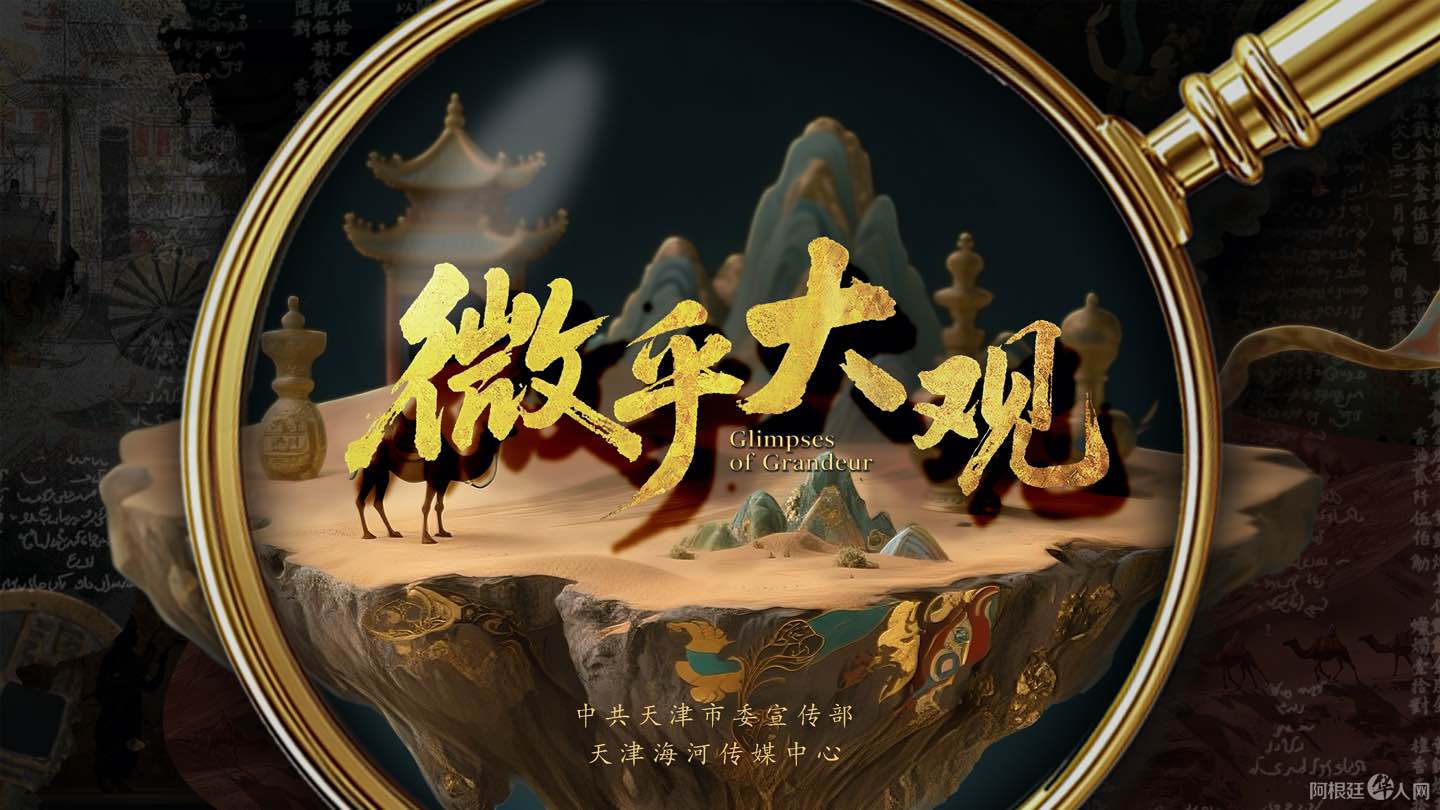
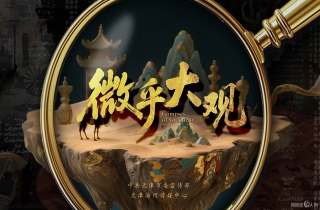
On the occasion of the 2025 Shanghai Cooperation Organization Summit held in Tianjin, Tianjin Haihe Media Group launched the documentary From the Micro to the Macro. By observing truth through artifacts and perceiving the heart through objects, it delves deep into the core values of traditional Chinese culture — harmony without uniformity, beauty for all to share, harmony among all nations, and goodwill‑seeking neighborhood relations. It responds actively to the contemporary proposition of building a community with a shared future for mankind.
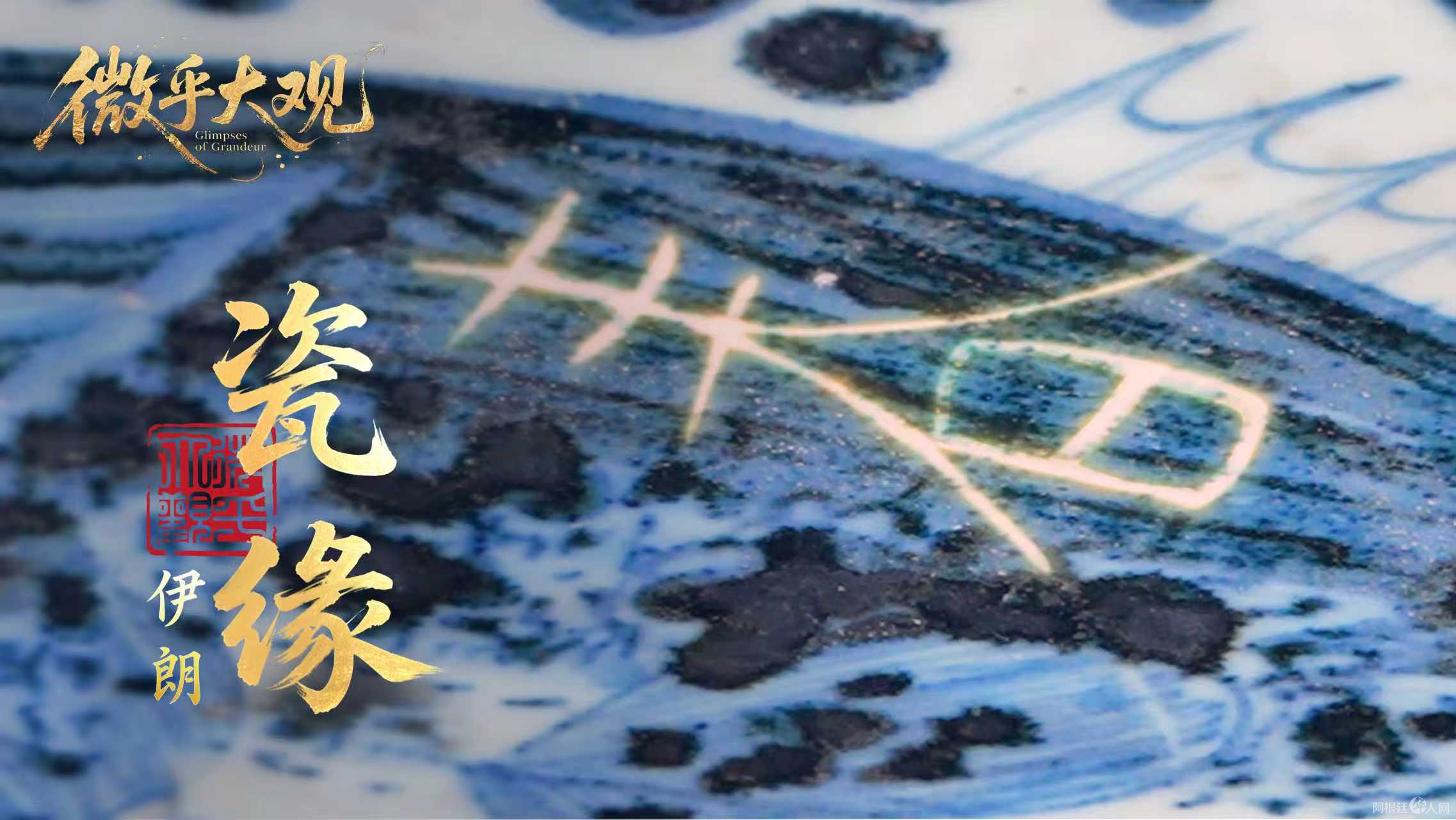
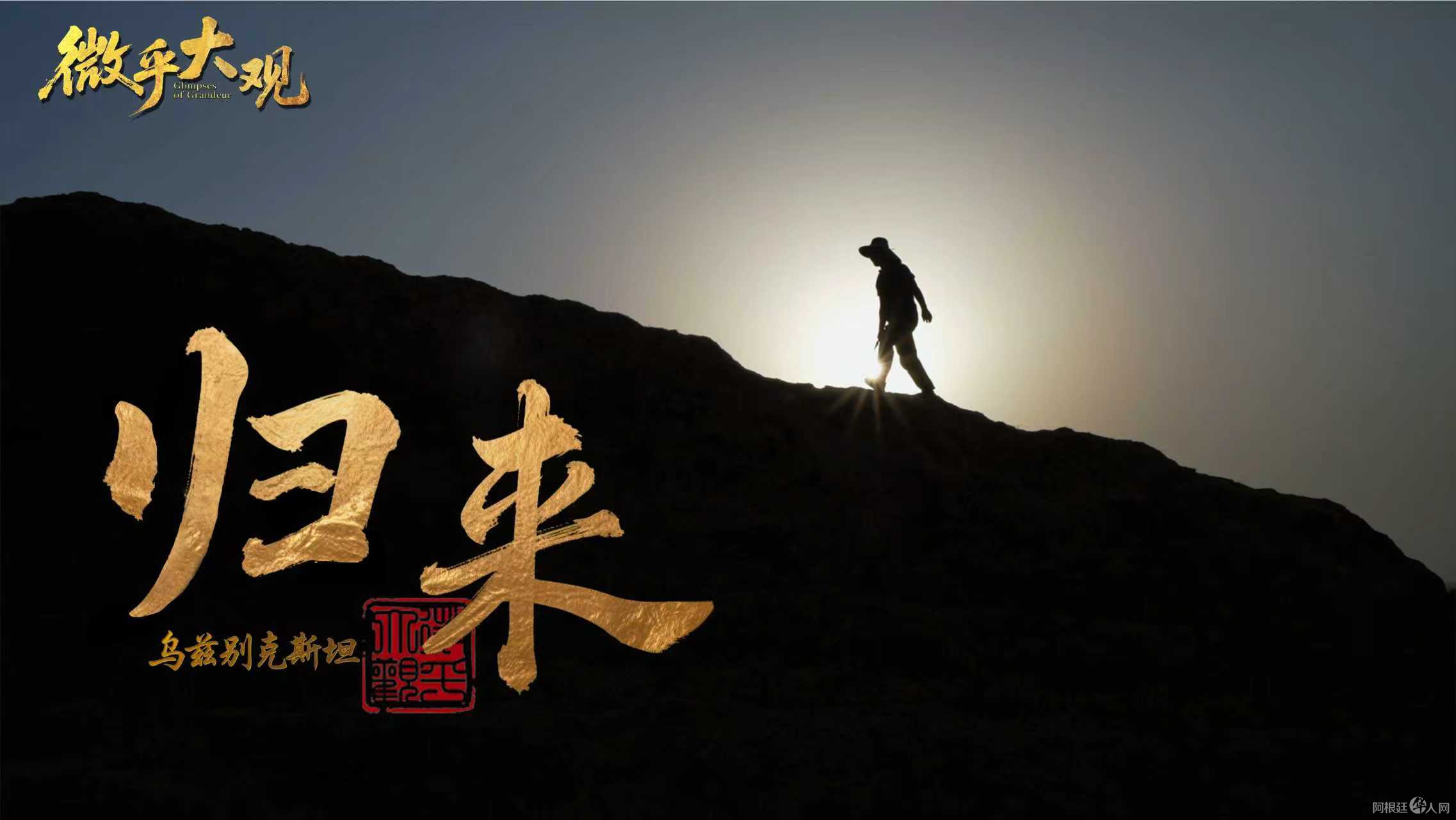
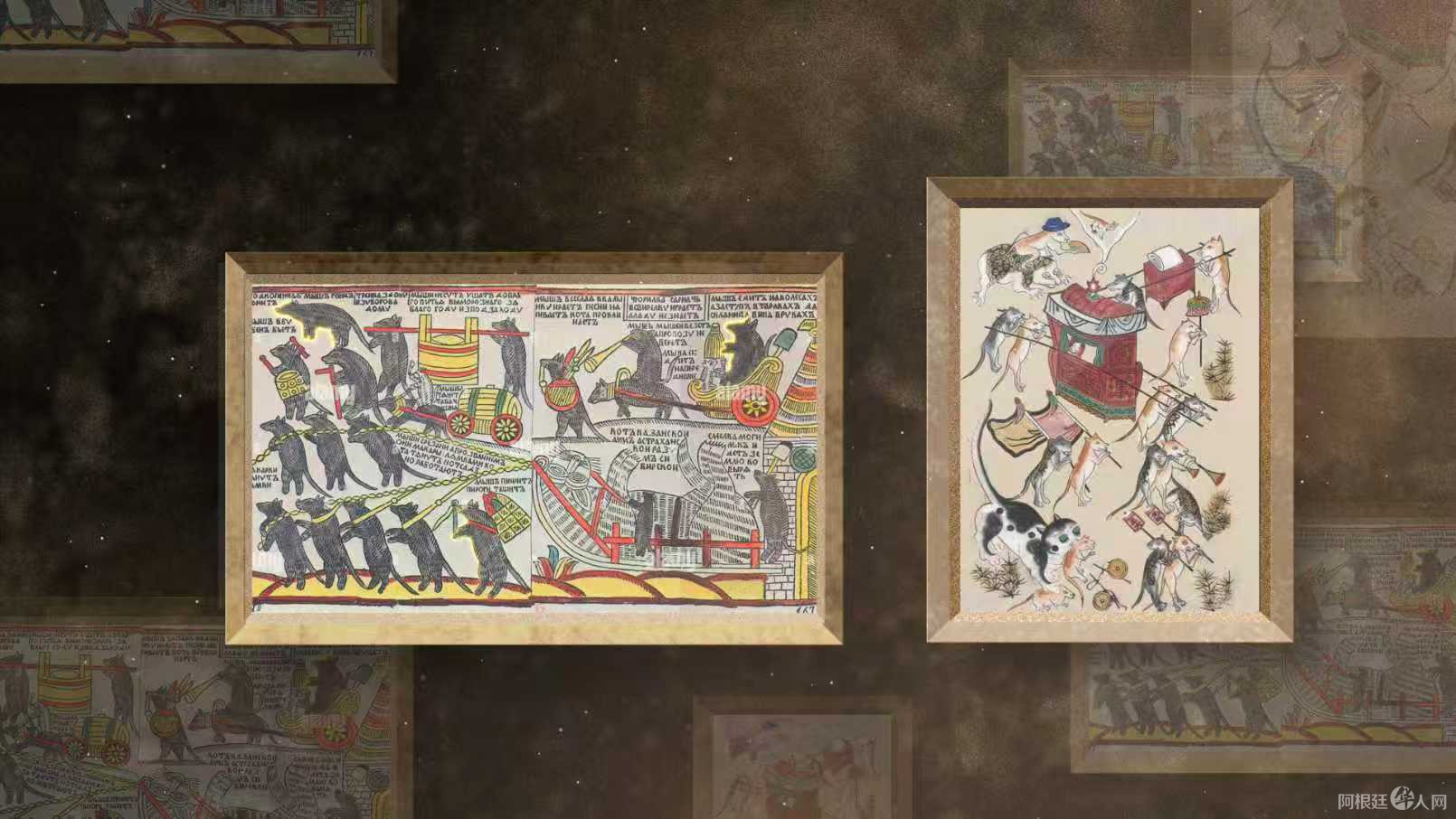
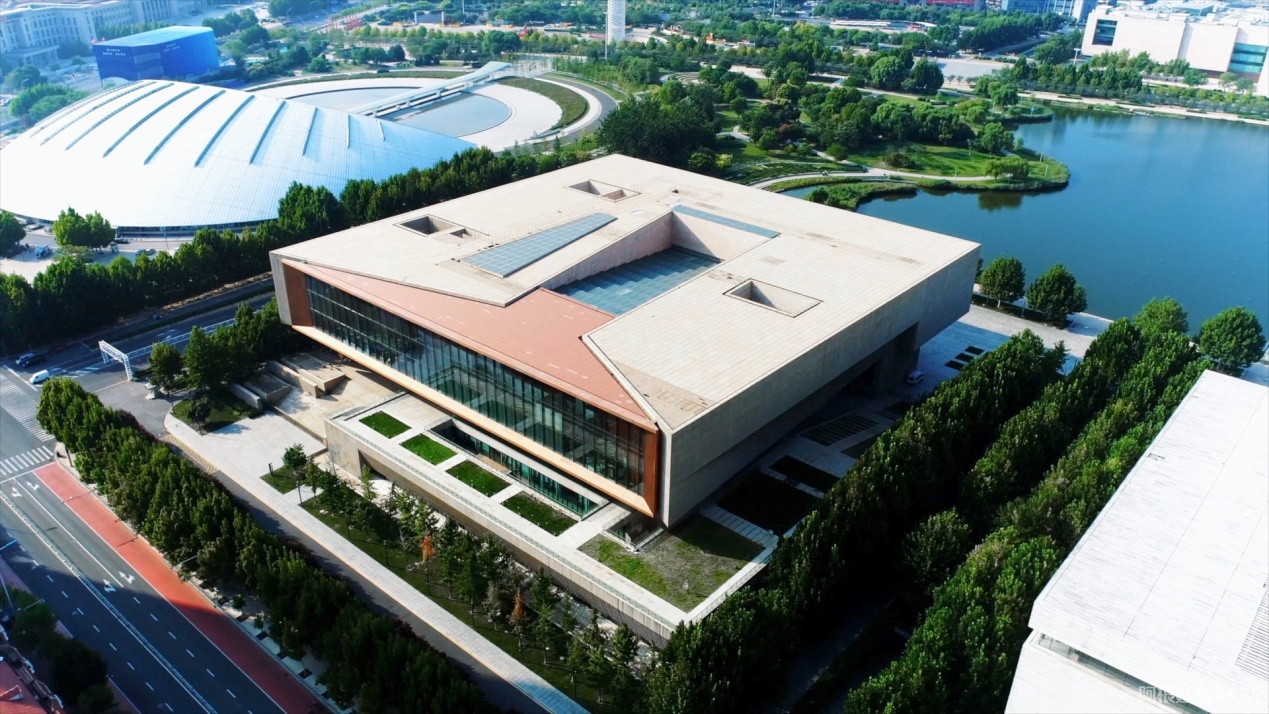
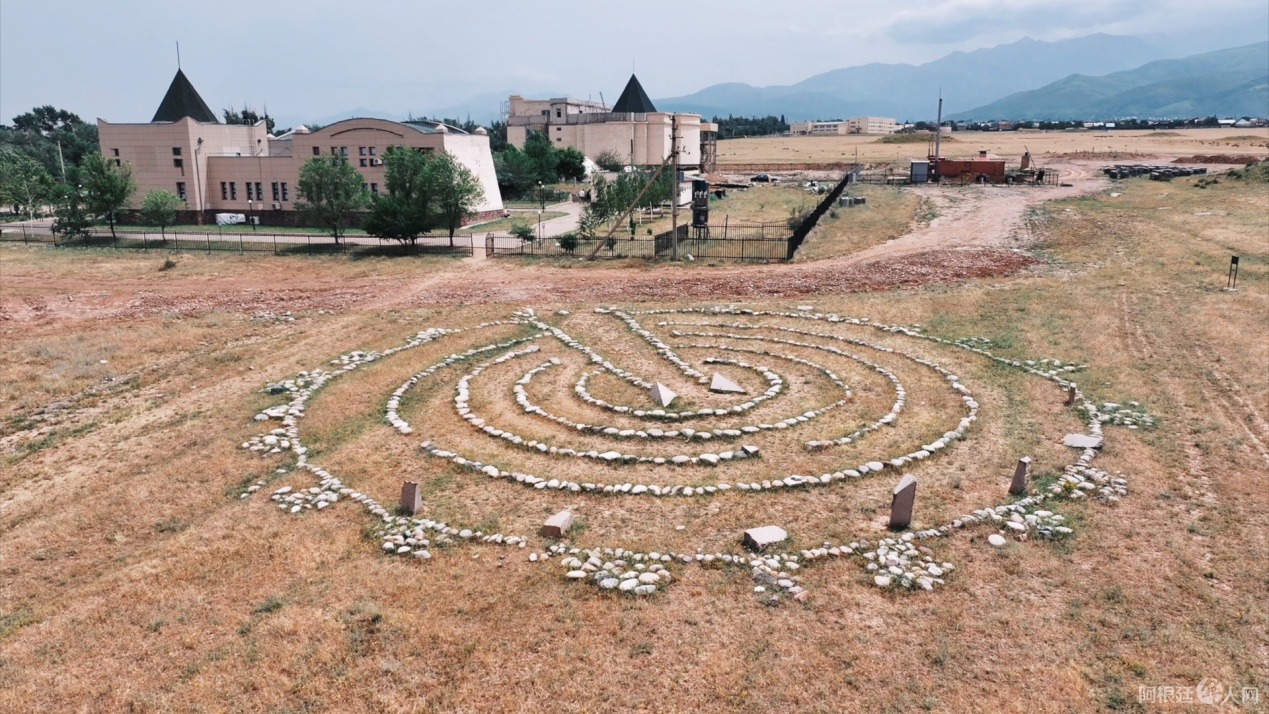
Drawing on collections from the Tianjin Museum and museums across the world, the documentary features landmark Chinese and foreign cultural relics including ancient Chinese coins, blue‑and‑white porcelain, Yangliuqing New Year paintings, the Zheng He Stele in Sri Lanka, and the Golden Warrior of Kazakhstan. Set against the historical backdrop of the Belt and Road Initiative and the Tea Road, it adopts a micro‑perspective: starting from a single relic to tell a story of shared human civilizational consensus, while constructing a grand narrative of synchronic resonance and mutual verification through mutual learning. It explores representative cultural sites and relics in eight countries including Russia, Kazakhstan and Uzbekistan, tracing a millennium‑spanning timeline of civilizations and illustrating the profound interplay between history and the present. Cases presented in the documentary, such as joint Central Asian archaeological expeditions, the restoration of Khiva, and the joint bid by China, Mongolia and Russia for the Tea Road’s World Heritage inscription, offer vivid illustrations of Xi Jinping Thought on Culture among SCO member states. This marks a value leap from relic research to civilizational expression, and further to international communication.
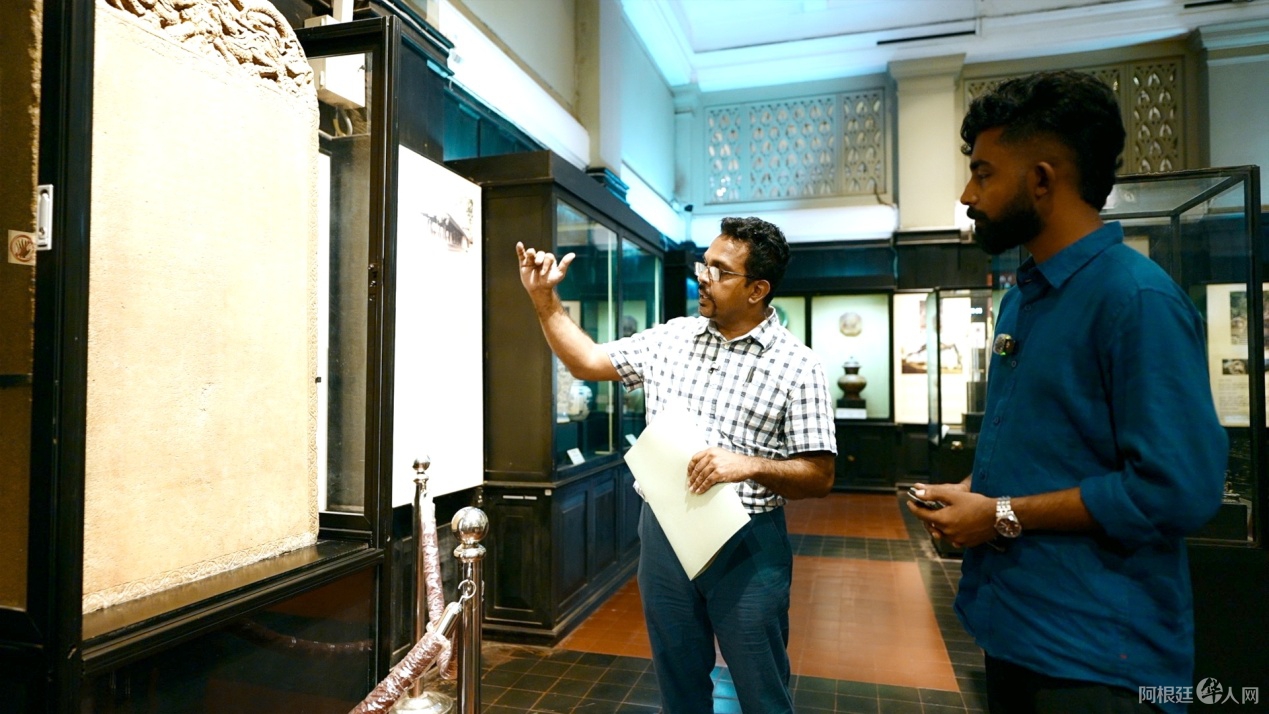
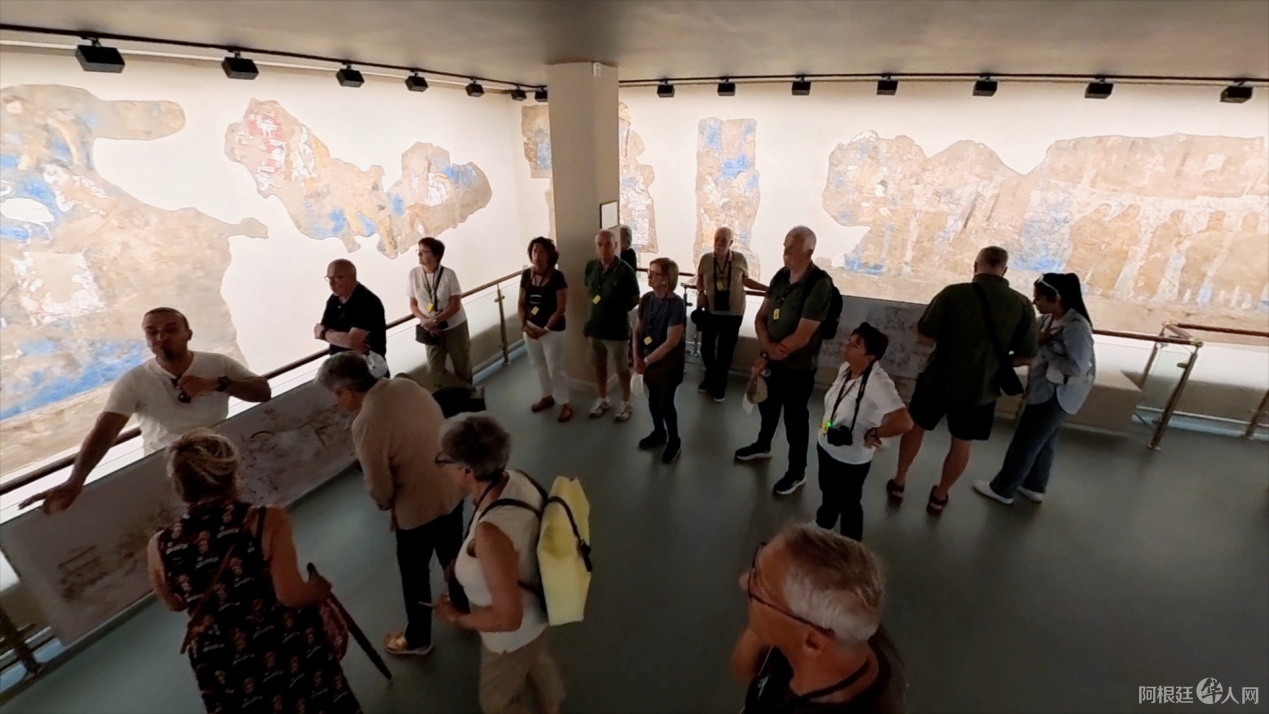
The documentary extensively uses 4K ultra‑high‑definition macro photography and 3D scanning and modelling for the digital reconstruction of key relics. AIGC technology is deployed to virtually recreate pivotal historical scenes, including Zheng He’s fleets, the Tea Road, and Sogdian court music and dance. Static exhibits are thus transformed into living witnesses of culture, enabling history to “move” and civilizations to “come alive”.
转载本网稿件,原则上需要书面授权,不得篡改稿件主题。本网随时有权要求第三方停止侵权行为。
本网所载内容或图片,若涉及侵权,请联系删除。

 微信扫一扫
微信扫一扫  cui
cui